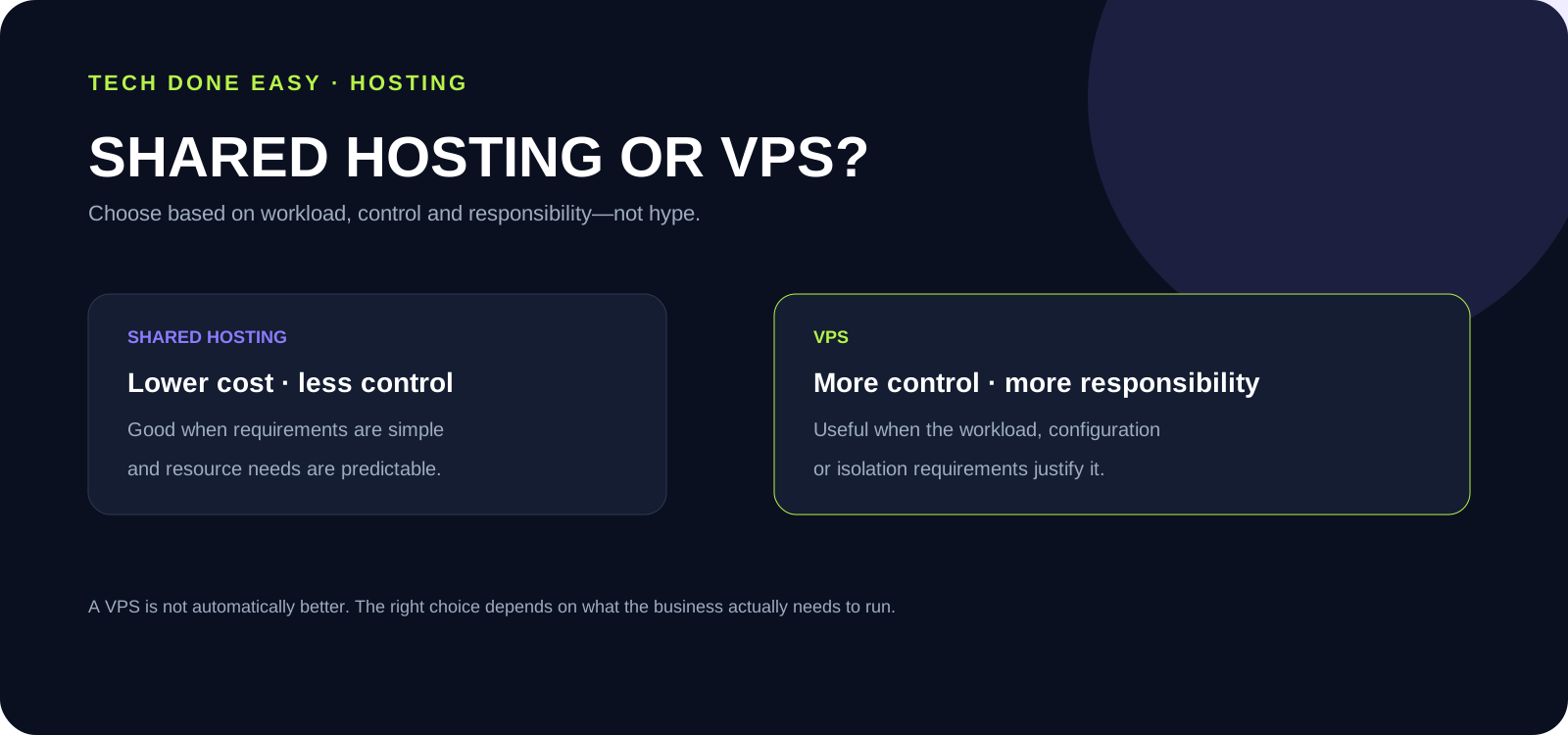
A VPS is useful when you need more control, isolation or specific server resources, but it also adds responsibility for security, updates, backups and configuration.
A VPS can sound like the natural next step when a website grows, but “more powerful” does not automatically mean “better for your business.”
Shared hosting can be perfectly adequate for a straightforward website. A VPS becomes useful when the business needs more control, predictable resources, specific software, isolation or a configuration that shared hosting cannot provide.
What shared hosting is good at
Shared hosting is usually simpler to operate and can be cost-effective when the site has modest and predictable requirements. The hosting provider manages much of the underlying environment.
What changes with a VPS
A VPS gives you more control over the server environment, but that control comes with responsibility. Updates, security, backups, monitoring, configuration and resource planning become more important.
Ask these questions before moving
- Is the current host actually the performance bottleneck?
- Does the application require software or configuration the current plan cannot provide?
- How much traffic and background processing does the system really have?
- Who will manage security, updates and backups?
- What is the migration and rollback plan?
Do not move just because a VPS sounds more professional
If the website is slow because of inefficient code or oversized assets, a more powerful server may hide the problem without fixing it. If the site is already stable and the current hosting meets its requirements, moving can add unnecessary complexity.
Choose the hosting environment the business needs—not the one that sounds most powerful.
Tech Done Easy can review the current setup and help you decide whether to optimise, stay put or migrate.