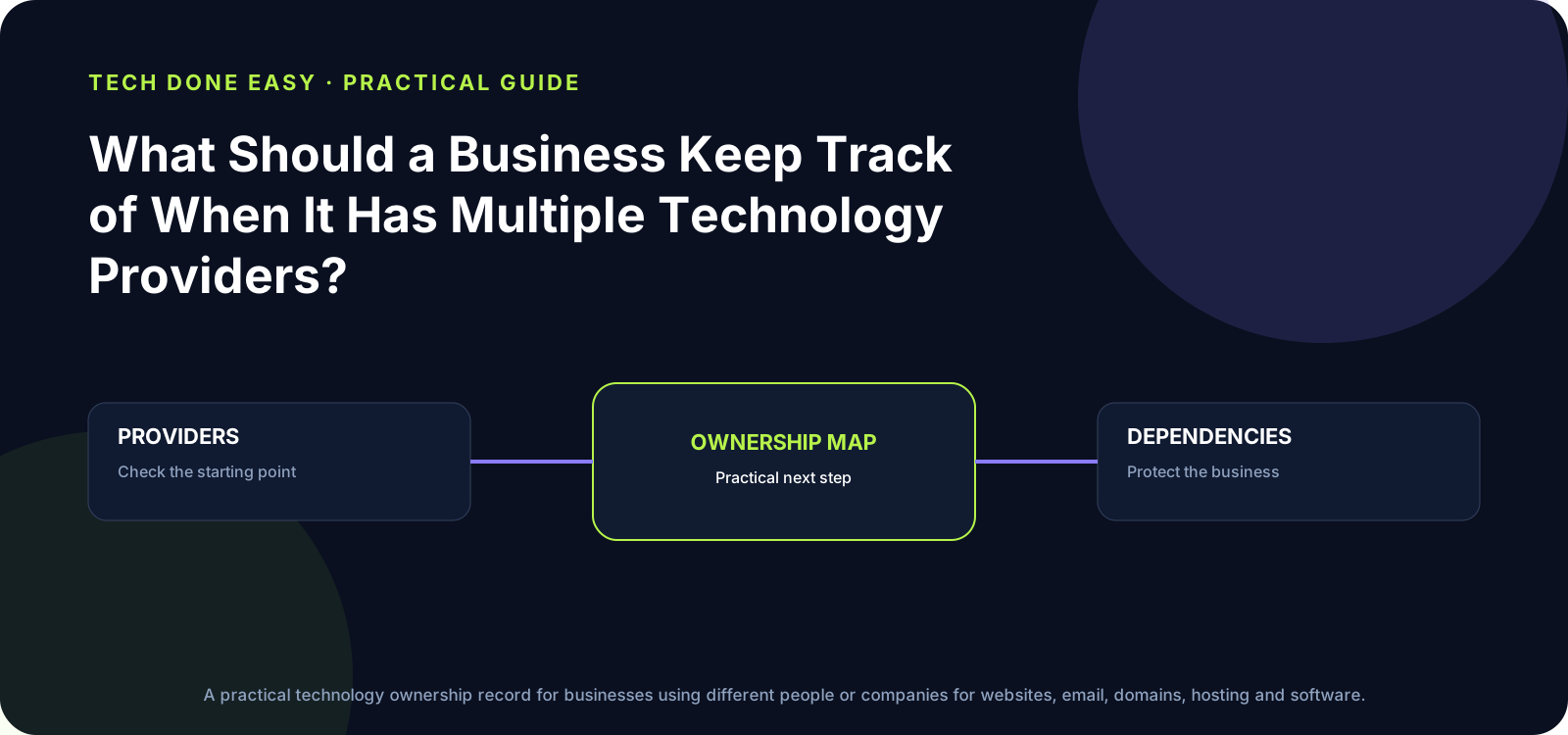
Keep one simple technology ownership record showing who owns each account, who administers it, when it renews, what it connects to and who is responsible for changes.
The risk is usually the gaps between providers
A business may have one company handling the website, another handling email, a freelancer managing DNS and a hosting company controlling the server. Each provider may be competent while nobody has the complete picture.
1. Create an ownership map
List the domain, DNS, hosting, website/CMS, email, analytics, forms, payment services, SaaS tools and integrations. For each one, record the owner and administrator rather than only the supplier contact.
2. Record renewals and billing
Domains, hosting, software subscriptions and certificates can expire. Record renewal dates, billing owners and the account that receives important notices.
3. Record dependencies
Write down what connects to what. For example, the website may depend on DNS, DNS may point to hosting, email may depend on MX/TXT records, and forms may depend on SMTP or another email service.
4. Define responsibility
For each system, decide who handles routine changes, who responds to incidents and who approves major changes. This avoids the “I thought they were handling it” problem.
5. Keep access under business control
Suppliers can have delegated access, but the business should retain administrative ownership of critical accounts. Review access when a supplier leaves.
Review the map when something changes
The document does not need to be complicated. Update it when a domain, hosting provider, email platform, website or integration changes. A simple accurate record can save hours during an outage or handover.